Cyber Monday 2026: FTC Warns Fake Store Links Can Appear Above Real Deals
Adobe forecasts $15.1 billion in U.S. online spending on Cyber Monday. The FTC says fraudulent shopping ads can top search results. Here is how to check a store before paying.
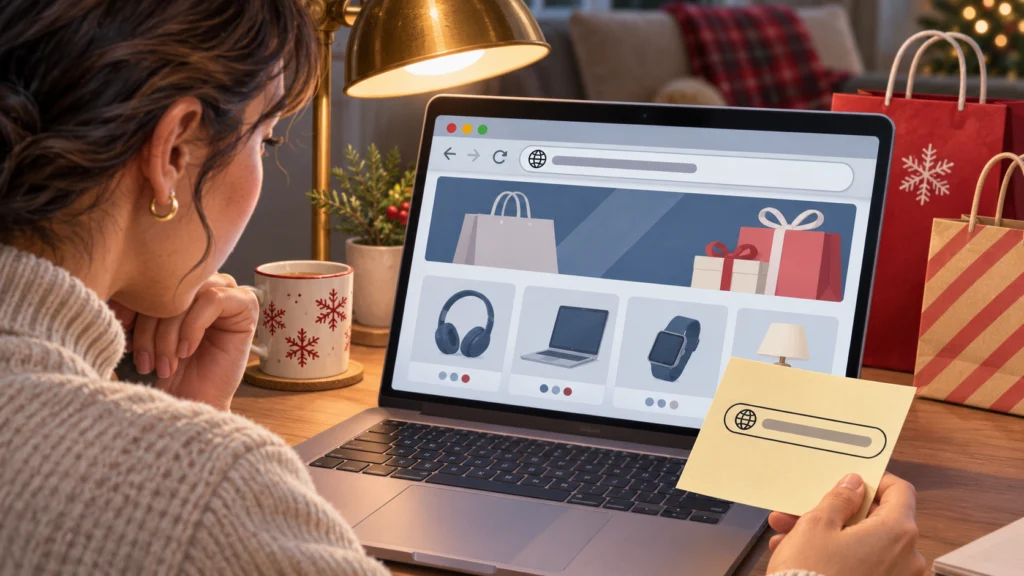
Cyber Monday falls on November 30, and Adobe expects U.S. shoppers to spend $15.1 billion online that day. Amid the rush for deals, the Federal Trade Commission has a simple warning: a store at the top of your search results is not necessarily the store you meant to visit. Scammers can buy search ads that lead to imitation shops.
The first result is not a trust badge
Imagine searching for a retailer and clicking the first result before coffee has finished brewing. The page may look polished, display familiar products and have a checkout button. None of that proves the seller is genuine. The FTC says fraudulent paid ads can appear beside legitimate ones and sometimes at the very top of search results. A shopper who follows one may send money to a scammer or hand over sensitive information.
The agency’s advice is to slow down at the link, not after the payment. If you know the retailer’s address, type it directly into the browser. If the seller is unfamiliar, search its name together with “complaint” or “scam” and read what other buyers say. The FTC also suggests looking beyond the paid ads at the top of the results page. Organic placement is no guarantee of safety, but it is not purchased in the same way as an ad.
Why Monday matters
Adobe’s pre-season forecast puts Cyber Monday online spending at $15.1 billion, up 6.2% from a year earlier. That would make November 30 the biggest online shopping day of the season. It is a forecast, not a final sales total; the actual number will depend on what shoppers do Monday.
Adobe expected the strongest Cyber Monday discounts in electronics and computers. That creates a practical reason to compare the same item at a few reputable retailers rather than treating an eye-catching percentage as proof of value. A discount is only useful if the product, seller and final price are real. The FTC’s warning is about the route to the store: even a search for a well-known brand can put a paid imitation in front of a hurried buyer.
A quick check before paying
Start with the address in the browser, especially if you arrived through an ad, email or social post. Use the retailer’s known site or app when possible. For a new seller, look for independent complaints and read the return and delivery terms before entering payment details. If a page insists on an unusual payment method or pressures you to buy immediately, step away and verify the seller first.
If you already paid a site you now suspect is fraudulent, the FTC says to contact the card issuer or bank immediately and ask about reversing the charge. Report the site to ReportFraud.ftc.gov. What happens next depends on how you paid, so act promptly rather than waiting for a promised package to arrive.
The point is not to abandon online deals. It is to spend a minute checking who will receive your payment. On a day when millions of shoppers are moving quickly, that pause may be the most valuable part of the purchase.
Sources
How did this story land?
Choose one reaction
Tap again to remove your reaction.
Comments 0
Join the discussion with a thoughtful take.
Start the conversation.