Canada Ends Remote Border Crossing Permits November 30: What U.S. Travelers Need to Know
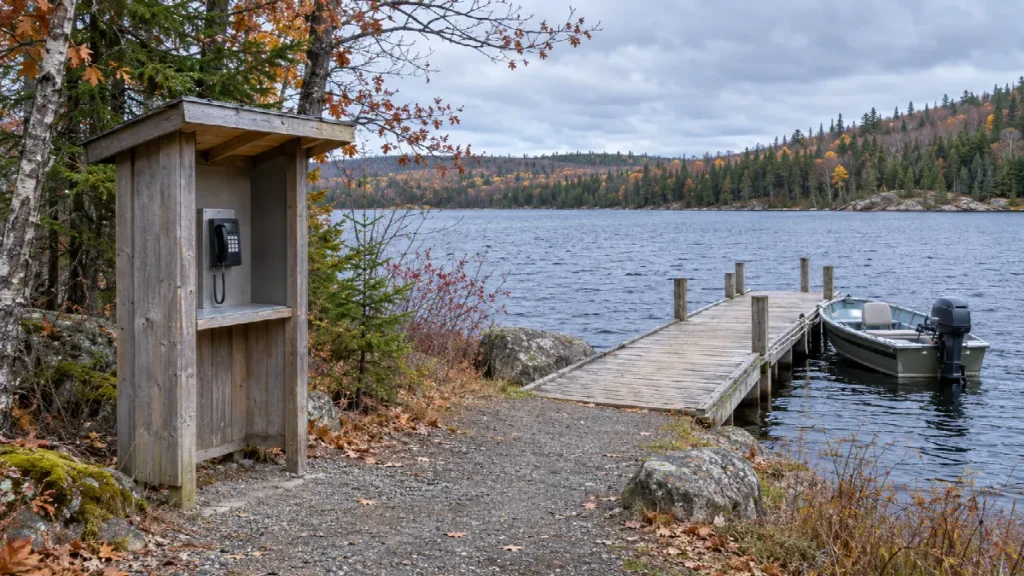
Canada will end its Remote Area Border Crossing (RABC) Program at 11:59 p.m. on November 30, 2026, the Canada Border Services Agency says. After that deadline, travelers entering Canada at affected remote locations must report through designated telephone reporting sites. The change matters to some U.S. visitors who cross by boat, road or in backcountry areas; it is not a closure of the entire U.S.–Canada border.
The CBSA issued a reminder on November 25 as the end of the permit program approached. It said 17 new telephone reporting sites were already operational to support the transition, with further locations to be added after consultation with local and Indigenous communities. Travelers should check the agency’s current directory before setting out because available sites and hours vary by location.
What changes on December 1?
The RABC Program previously provided an option for eligible travelers entering certain remote parts of Canada. Once it closes, an RABC permit will no longer be the method for satisfying the reporting requirement at those crossings. Travelers using a designated remote telephone reporting location must contact the CBSA on arrival and follow the border officer’s instructions.
The agency says officers will ask about the trip and, where applicable, the vessel or vehicle. Everyone in the group must be reported, and all goods being brought into Canada must be declared. An officer may authorize the traveler to proceed or direct them to take another step, including an in-person examination. Simply arriving at a remote landing point does not complete the border reporting process.
Where are the new reporting sites?
The 17 locations identified by CBSA include sites around Ontario’s Lake of the Woods, Rainy Lake and Lake Superior, as well as Quetico Provincial Park and the Northwest Angle Provincial Road 525 in Manitoba. Among the named sites are the Kenora Ice Road Terminus, Morson Government Dock, Prairie Portage Ranger Station and Terrace Bay Marine Terminal. This is not an exhaustive list of all Canadian telephone reporting locations.
Before traveling, use the CBSA Directory of Offices and Services to confirm that the intended crossing has a designated telephone reporting site and to check its hours. The agency says more sites may be announced as they become operational. Travelers who are unsure how to report by land, water or air should review the CBSA’s telephone reporting instructions for their mode of travel.
What this does not change
The announcement concerns remote entry reporting into Canada. It does not say that staffed ports of entry are closing or that ordinary passport and admissibility requirements are being waived. U.S.-bound travel remains subject to U.S. entry rules as well. The practical takeaway for visitors planning a remote Canada trip after November 30 is to confirm an approved reporting location and method in advance, rather than assuming an old RABC permit still applies.
Sources
How did this story land?
Choose one reaction
Tap again to remove your reaction.
Comments 0
Join the discussion with a thoughtful take.
Start the conversation.